
Addressing Vaccine Wastage in Malawi — A Transformative Approach
Creating a Better Malawi: CIPHER, UNICEF, and the Ministry of Health Lead Critical Study to Strengthen Immunization Services
Malawi’s healthcare system, like many in resource-constrained settings, has long grappled with the challenge of ensuring that every vaccine dose reaches those who need it most. Yet, despite tireless immunization efforts, vaccine wastage — driven by supply chain inefficiencies, limited storage capacity, and operational hurdles — has posed a serious threat to public health and resource sustainability.
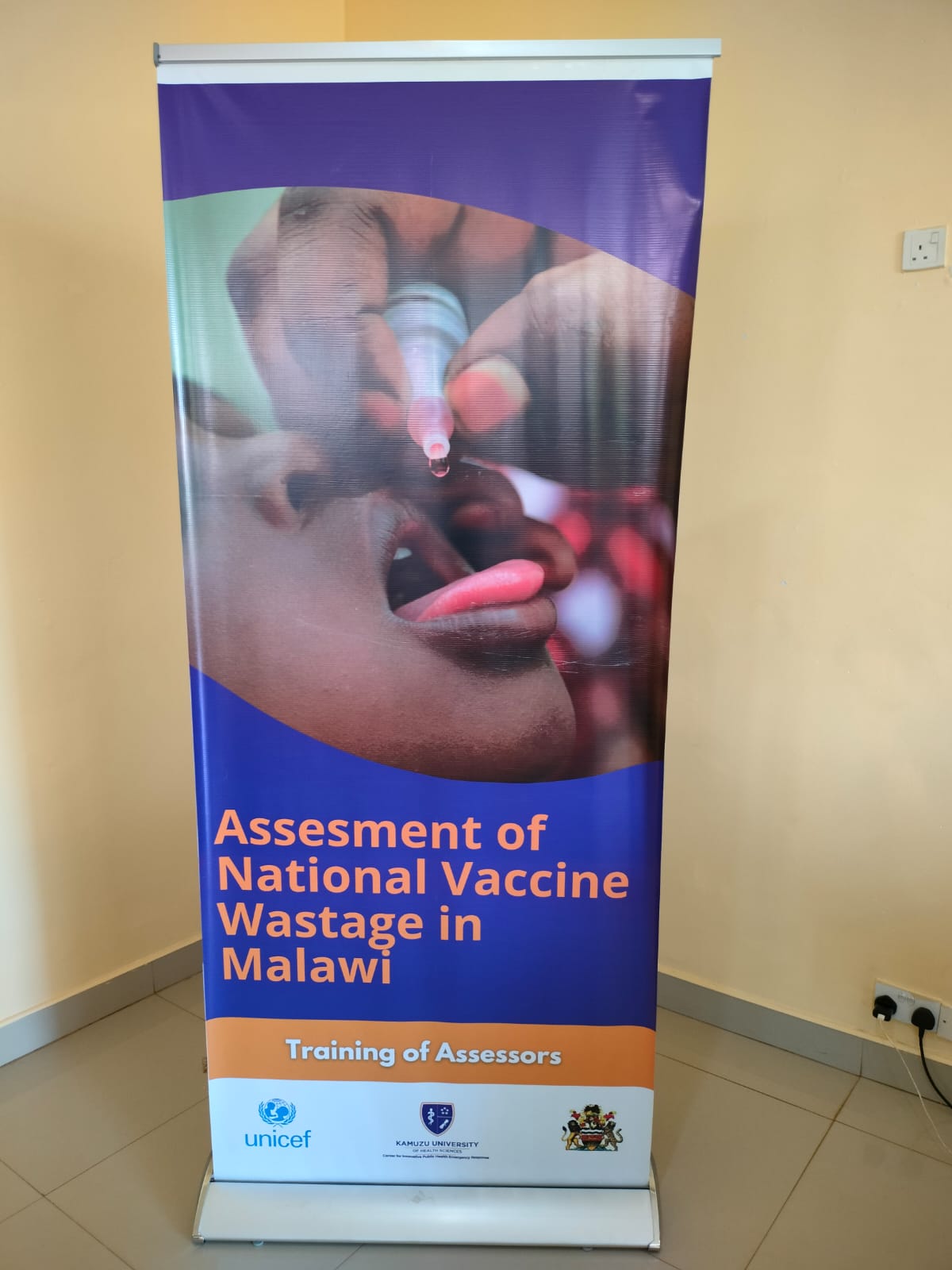
In response, CIPHER, in collaboration with UNICEF and Malawi’s Ministry of Health Epidemiology Department, launched a comprehensive Vaccine Wastage Assessment Study aimed at tackling this persistent issue head-on.
Why This Study Matters
Vaccines are one of the most effective tools for saving lives and preventing disease outbreaks. But in Malawi, where every dose represents protection for a child or vulnerable adult, wastage not only risks community health but strains an already limited health budget.
The stakes are high: every unused or spoiled dose is a lost opportunity to protect families and communities from preventable diseases such as measles, polio, and tetanus.
Study Objectives
Recognizing these risks, the assessment set out to:
- Measure vaccine wastage rates at district and facility levels across Malawi.
- Identify the root causes behind wastage — from cold chain breakdowns to stock management gaps.
- Evaluate cold chain systems and storage capacity to uncover weak points and opportunities for improvement.
- Deliver practical recommendations to strengthen vaccine supply chains and ensure every dose counts.
How the Study Was Conducted
The study used a robust mixed-methods approach, gathering both numbers and first-hand insights to paint a complete picture:
Quantitative Analysis:
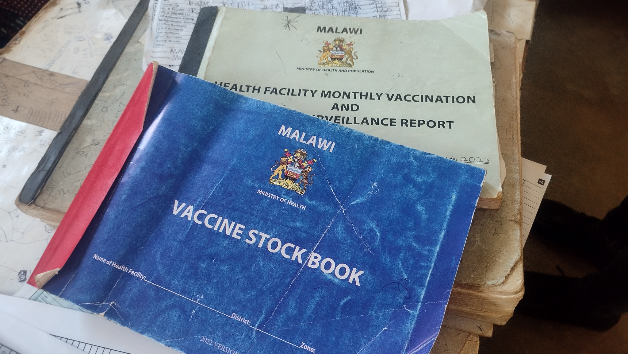
Data was collected from over 50 health facilities across 15 districts, analyzing stock records and wastage reports to calculate true wastage rates and trends.
Qualitative Insights:
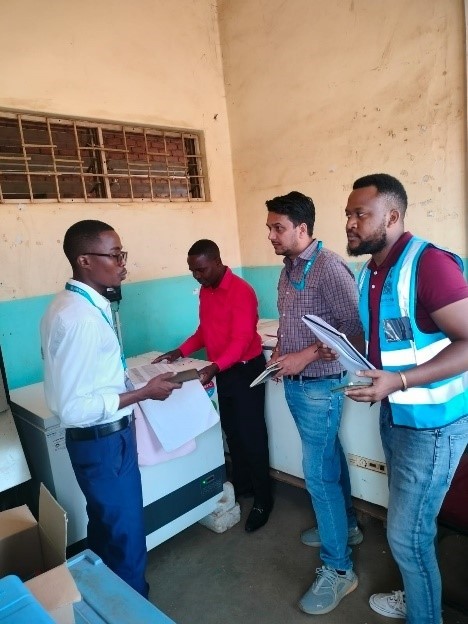
Key informant interviews with health workers, district health officials, and cold chain managers highlighted practical, on-the-ground challenges that numbers alone could not capture. Observational checks of cold chain equipment and vaccine handling practices provided real-time evidence of operational gaps.
Geographic Coverage:
By including both urban clinics and remote rural facilities, the study ensured a holistic understanding of the diverse realities across Malawi’s health system.
Key Findings: Challenges Unveiled
The assessment brought to light several pressing challenges:
- Inadequate Cold Chain Storage: Nearly 30% of facilities surveyed lacked sufficient storage capacity, resulting in frequent temperature fluctuations that compromised vaccine potency.
- Missed Opportunities for Immunization (MOI): Many facilities reported high rates of missed immunizations due to irregular service delivery and stock-outs of essential supplies like syringes or diluents.
- Multi-Dose Vial Wastage (MDVW): In remote and low-volume areas, opened multi-dose vials were often not fully used before expiry, accounting forvaccine wastage in some settings.
Towards Action: What Happens Next
With these findings, CIPHER, UNICEF, and the Ministry of Health are now working together to translate data into action. Recommendations include:
 Expanding and modernizing cold chain equipment to ensure vaccines remain safe and effective. Improving stock management and supply chain coordination to prevent stock-outs and over-ordering. Training health workers on better handling of multi-dose vials to reduce unnecessary discard. Enhancing outreach services so every child can be immunized on time, no matter where they live.
Building a Resilient Immunization System
For Malawi, the path forward is clear: strengthening the vaccine delivery system means stronger communities, healthier children, and smarter use of limited resources. The Vaccine Wastage Assessment Study is more than just data — it is a transformative roadmap for building trust in vaccines and ensuring every dose does its job.
Through collaboration and commitment, CIPHER, UNICEF, and the Ministry of Health are shaping a future where Malawi’s immunization services are resilient, efficient, and leave no one behind.