
In Malawi, the efficiency of child and adolescent health services may be optimized through the integration of services. This is critical for both well-established services like Expanded Program on Immunization (EPI) and neglected services like initiatives towards NCDs. Over the decades, the EPI has been continuously reporting success stories of very high coverage, achieving a coverage as high as 90% in some antigens. As the world continues to suffer from the burden of vaccine-preventable diseases, there is a corresponding increase in the scope of antigens in EPI that warrants review of the approach to vaccination services from the child health program to the life cycle. The list of antigens covered in the EPI program has increased from 6 to 11, with age covered in the program increasing from infants and children to adults, among both through adolescents. The new approach introduces challenges related to new vaccines. Often, new vaccines are negatively affected by mal- and misinformation.
Historically, in Malawi, child health services have focused on the control and management of communicable diseases and under nutrition. Initiatives against NCDs among children are yet to attain the same level of attention. Malawi’s high prevalence of NCDs among adults, may be related to early life insults and related to lifestyle changes, and the significance of NCDs among children and adolescents is increasing. However, services against childhood and adolescent NCDs are weak, and where they are taking place, usually through partners, they need strengthening. Malawi, therefore, in addition to strengthening governance and leadership through the establishment of the NCDs Unit/Directorate and adopting the Pen plus (a primary care model for NCDs in low- and middle-income countries), would like to implement additional interventions.
Recently, Ministry of Health (MoH) in Malawi has been focusing on integrating service delivery and strengthening neglected services. Therefore, in districts supported by UNICEF and MoH, there are initiatives focusing on strengthening NCD initiatives among children and adolescents. It is against this background that this implementation research focuses on assessing the feasibility of these initiatives.
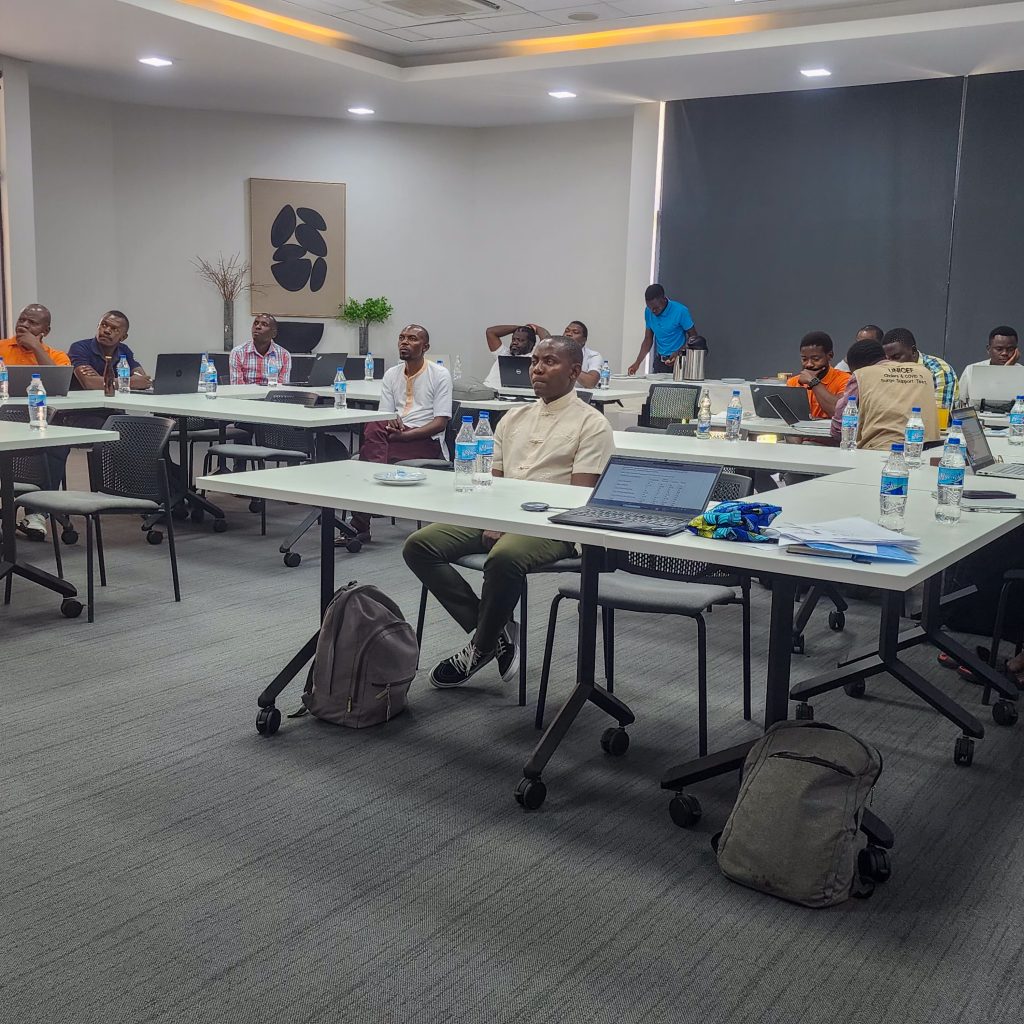
The four-day workshop held in Mangochi brought together health experts and district representatives to:
- Develop two comprehensive reports on NCD and EPI integration.
- Present findings to district teams and gather feedback for improving service delivery.
Day 1–3: Report Development
Teams from KUHeS worked on refining background sections, methodology, literature reviews, and qualitative and quantitative analyses. KUHeS researchers provided guidance on data interpretation, aligning findings with study objectives, and preparing report drafts, discussions, conclusions, and recommendations.
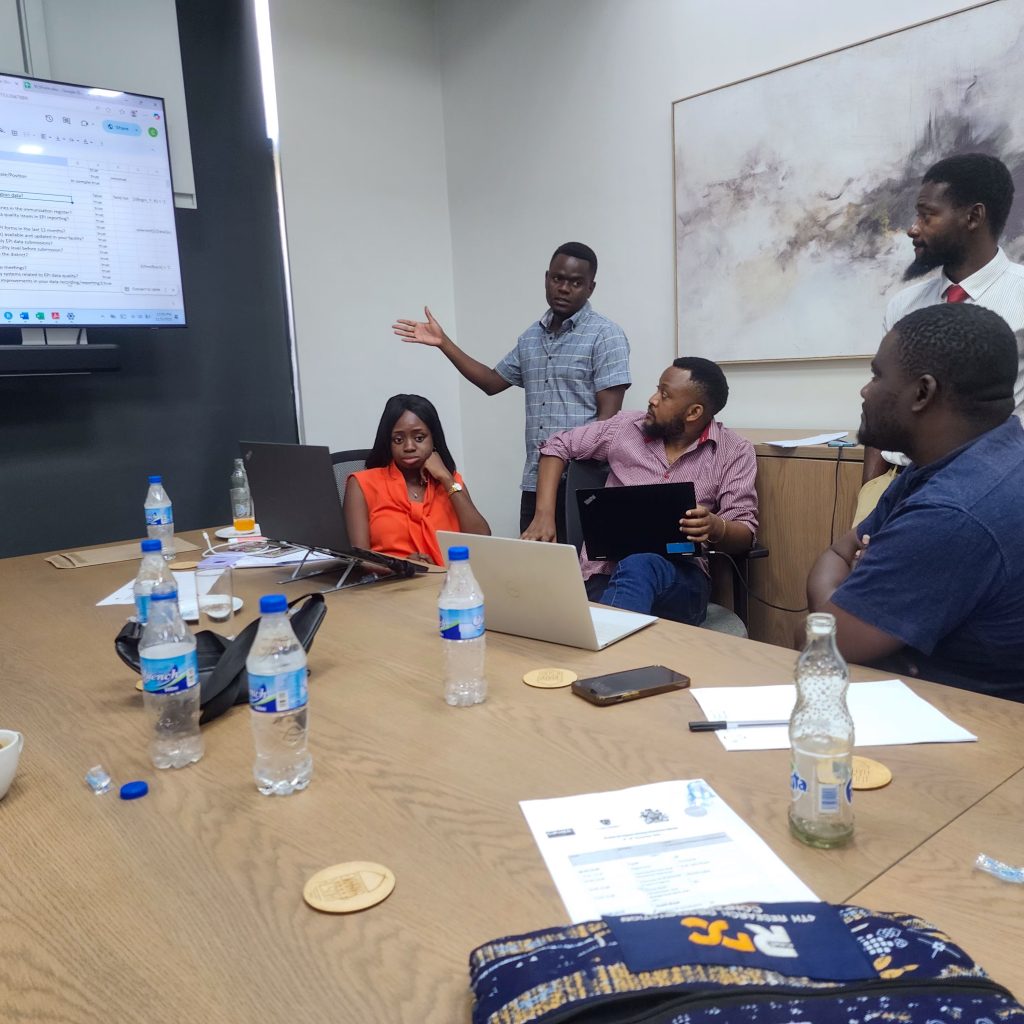
Day 4: District Engagement
- District health officials from Rumphi, Mangochi, Ntchisi, Kasungu, and Chikwawa joined to review findings.
- They raised key concerns, including:
- The need to separate adult and child NCD services.
- Clarification on childhood NCD focus (Type 1 Diabetes vs. all NCDs).
- Strengthening investment and partnerships for better service delivery.
DISTRICT RECOMMENDATIONS
Rumphi
- Healthcare workers need to be trained in NCD management by DHO and partners in health.
- Deliberately placing professionals with knowledge of NCDs in primary health facility to improve diagnosis and management eg clinical officers.
- Making NCDs guidelines available and accessible to clinicians.
- Community awareness of key NCDs among children specifically type1 diabetes (parents can take part in reporting suspected cases of common NCDs).
- Lobby MoH/ Partners for additional staff in primary health centers.
- Train HSAs and CMAs to beef up screening for pediatric NCDs.
- Allocating HCWs with prior knowledge of NCDs in strategic sites where NCDs is done.
- Service integration with other chronic care diseases.
- Targeted awareness to families with history of NCDs (those enrolled in care)
- Distribution of Information, Communication and Education (ICE) materials to strategic screening sites.
- Challenges and opportunities in improving treatment and management of type1 diabetes among children and adolescents.
- Provision of screening tools such as glucometers and glucosticks.
- DHO to ensure availability of screening tools in selected health facilities.
- Allow health facilities to procure some of the tools through direct facility financing
- Health centers management committee should be oriented on how to source some of the required tools.
- Decentralizing services to communities and health posts would prevent the need for referral of cases to be managed at district level
Mangochi
- Decentralizing NCD clinics to Community or Rural hospitals so that NCDs patients are seen closer to their homes. Current status patients travel long distance to access service NCD care which is offered at the district hospital.
- Training data handlers in data management targeting different tools with DM information.
- Modifying admission forms and registers to incorporate DM screening.
- Initial or Refresher training for health workers on DM management
- Creating a point of DM screening along the pathways in the Outpatient department.
- Renovation and construction of spacious rooms for consultations in all facilities.
- Demarcating big rooms with wooden boards
- CPD sessions on data management.
- Mentorship and supportive supervision.
- Data Quality Assurance -verification and validation
- Government press to print reports and registers for all districts in the country.
Ntchisi
- STraining of healthcare workers for the screening.
- Standardization of screening tools across all facilities to ensure that all required NCDs are trained.
Chikwawa & Kasungu
- Intensify community sensitization on the usefulness of vaccine uptake tackling fertility concerns and cultural beliefs.
- Vaccines should be readily available at all time.
- Analysis of the data should be based on a district.
- Integration of vaccines with low uptake into vaccines that have funding for vaccination campaigns.
- Create a platform so that those districts which still have challenges on the vaccine coverage should learn from those that are doing well
- There should be a clear indication in the results of the effect of dominance of certain religions such Christianity in the sites and their perspectives on vaccination.
- Leave no one behind in the vaccine campaign
Malawi’s ongoing efforts to integrate immunization and NCD services mark a significant step toward improving child and adolescent health outcomes. The recommendations gathered during the workshop will guide future strategies aimed at building a more responsive and inclusive health system.