
CIPHER, UNICEF, and Ezerx India Pilot Innovative EzeCheck Device to Transform Anemia Screening in Malawi
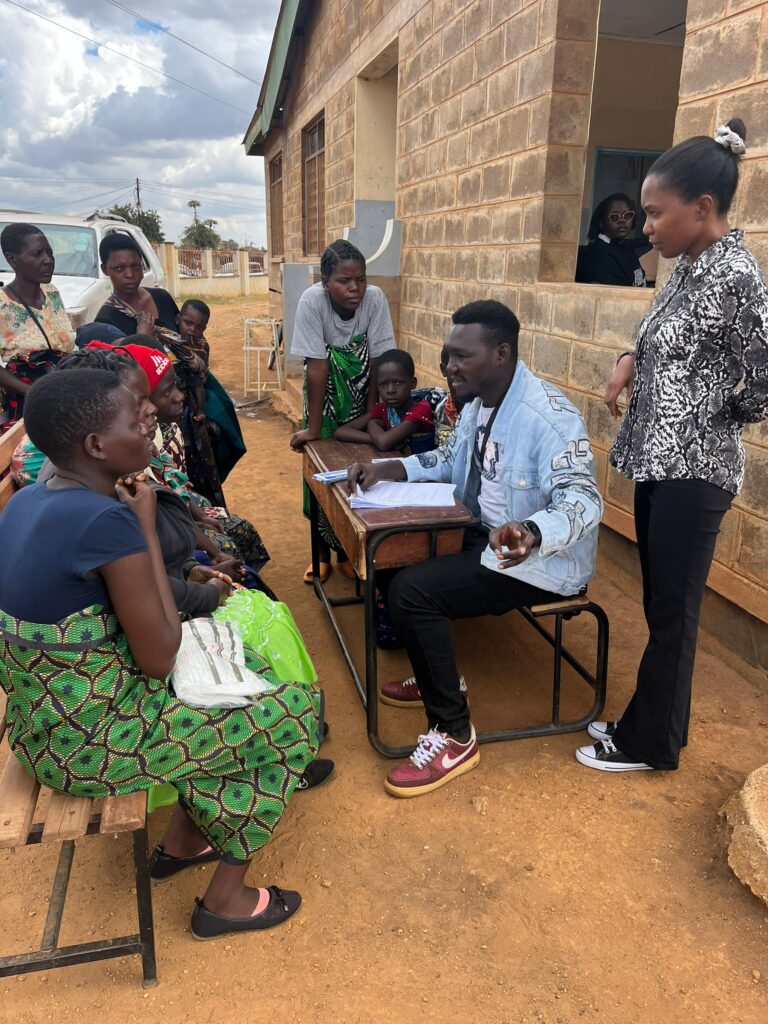
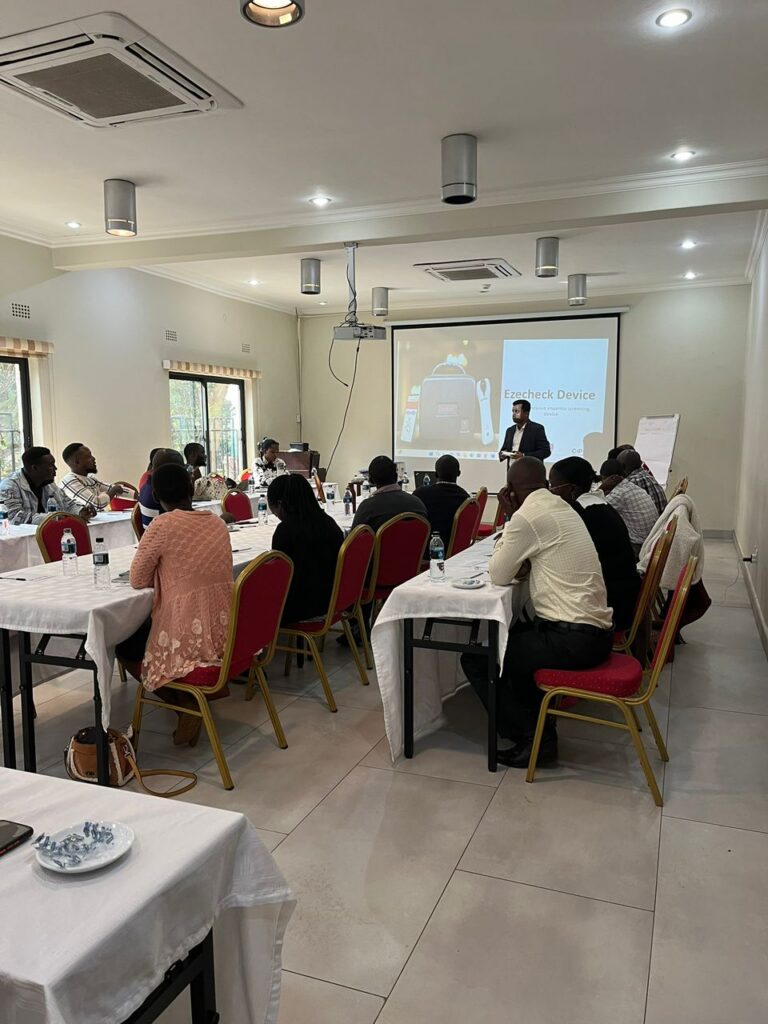
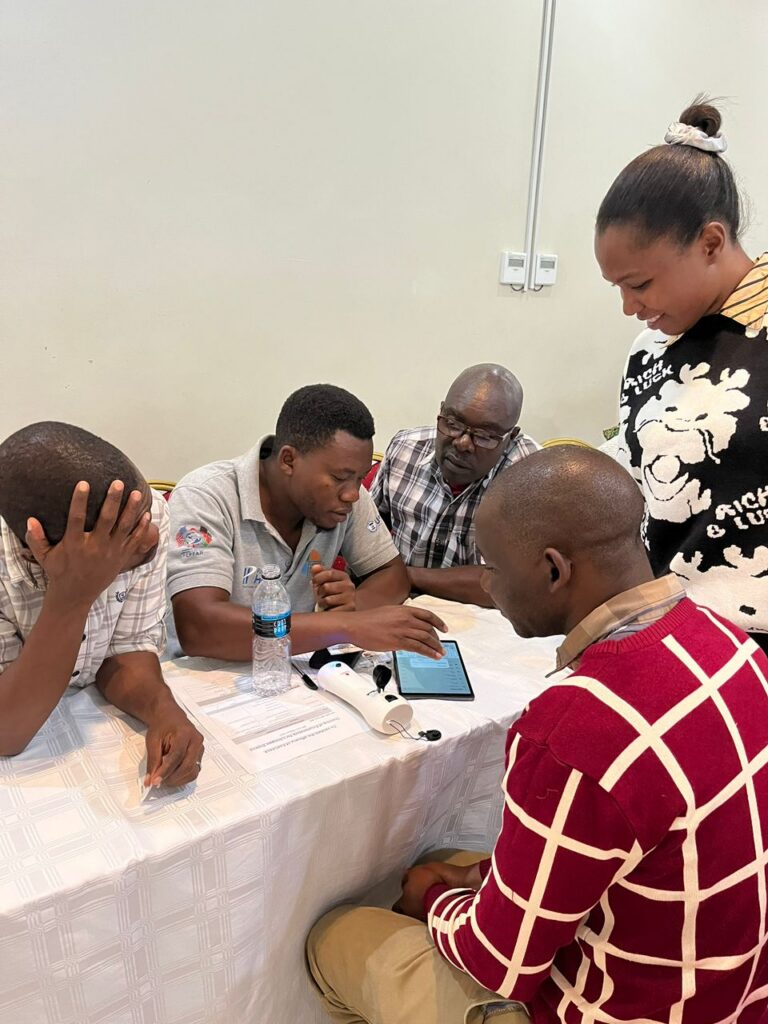
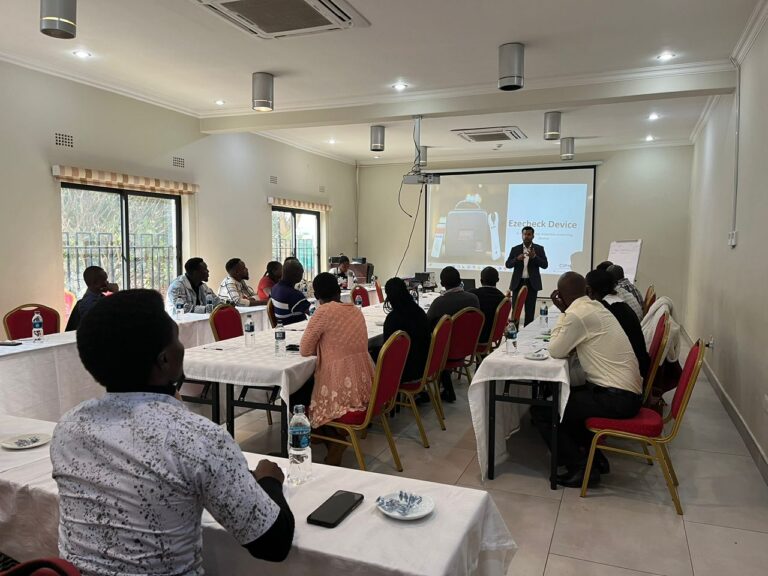
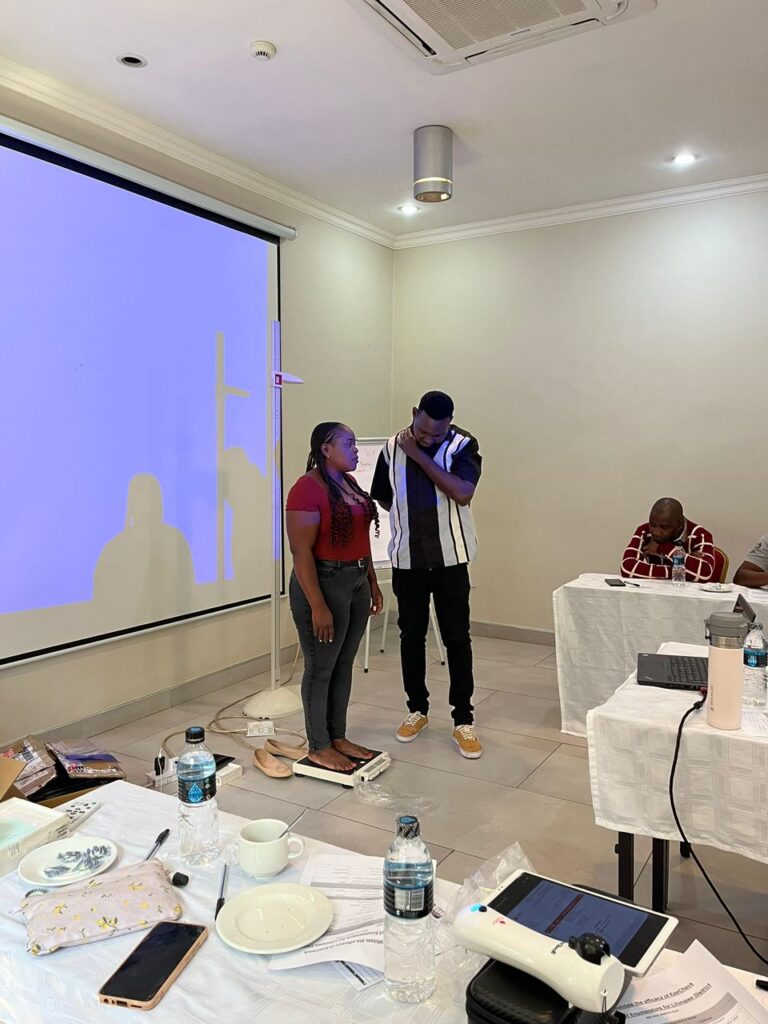
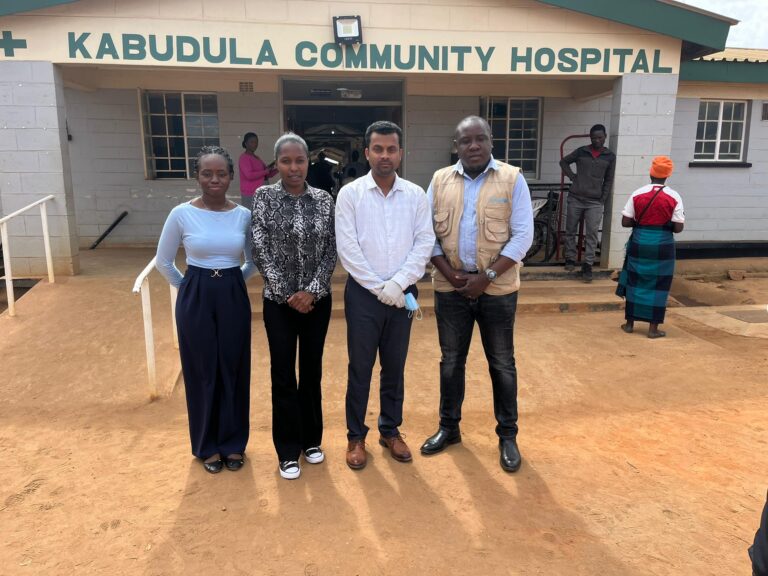
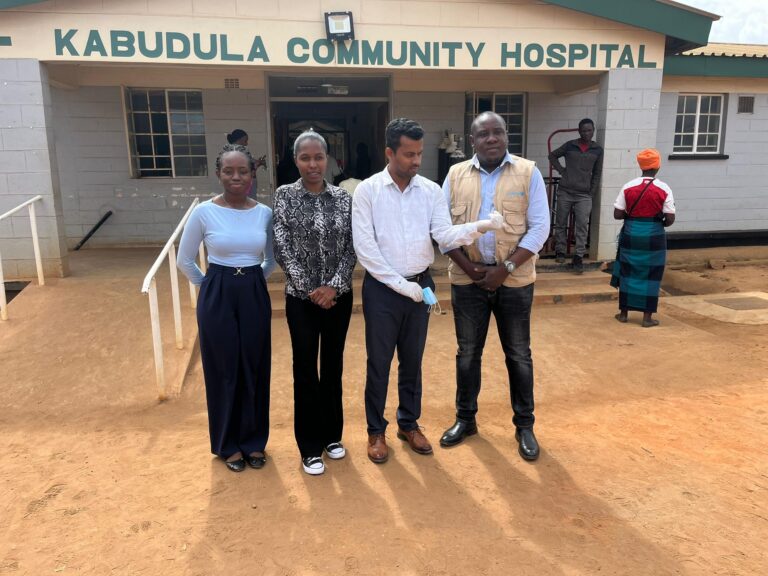
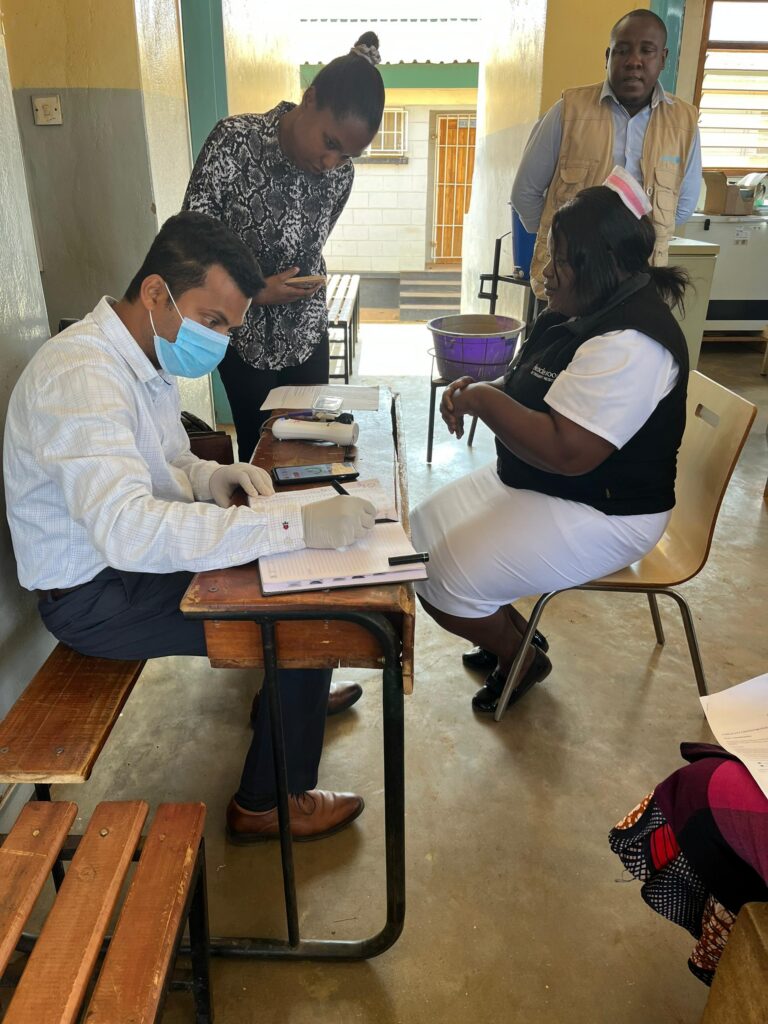
Lilongwe, Malawi — In an exciting milestone for community health, CIPHER has partnered with UNICEF and Ezerx India to pilot the EzeCheck device — an innovative, non-invasive diagnostic tool — at two health facilities in Lilongwe, Malawi. This pilot marks a promising step towards revolutionizing how frontline health workers detect and manage anemia and other key health conditions in low-resource settings.
What is the EzeCheck Device?
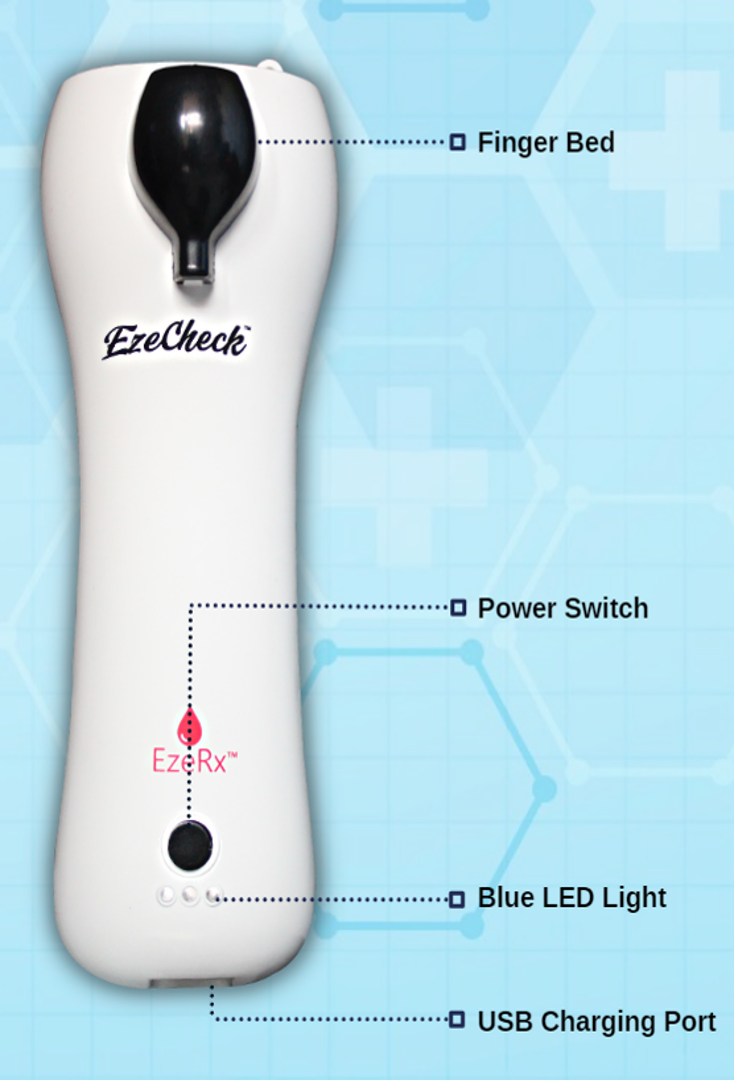
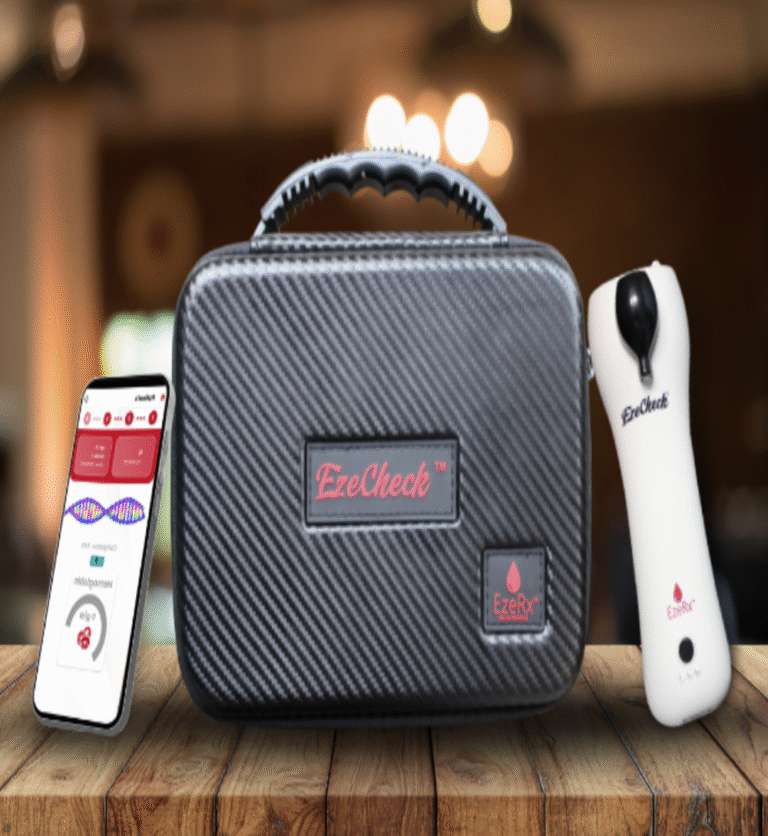
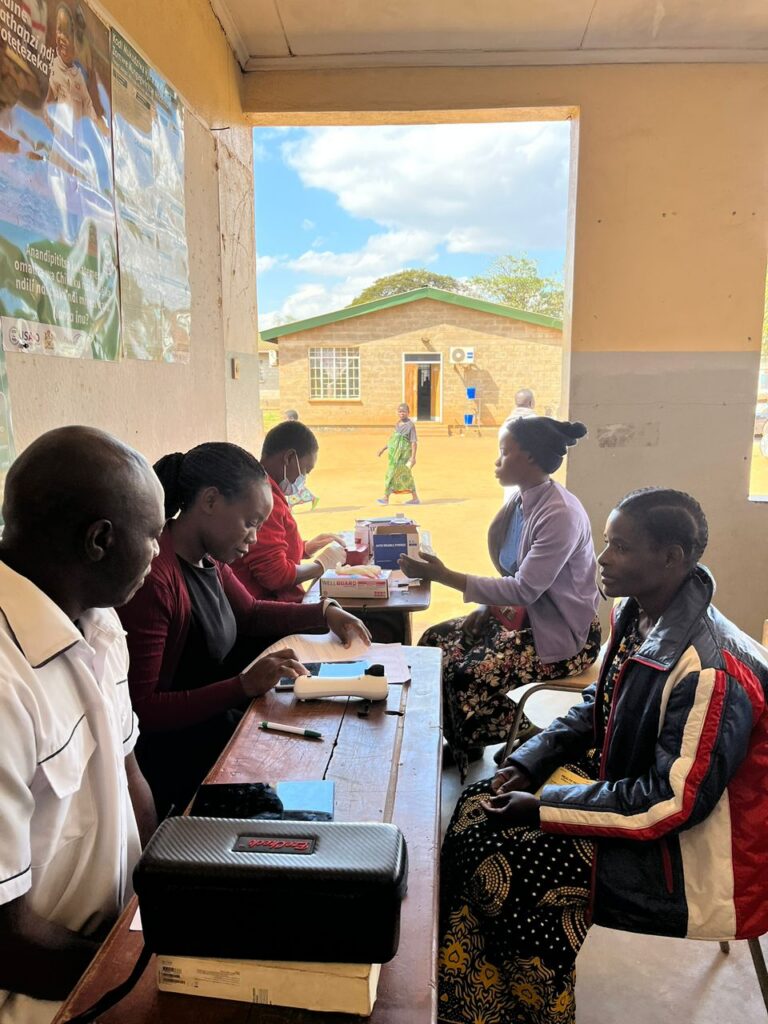
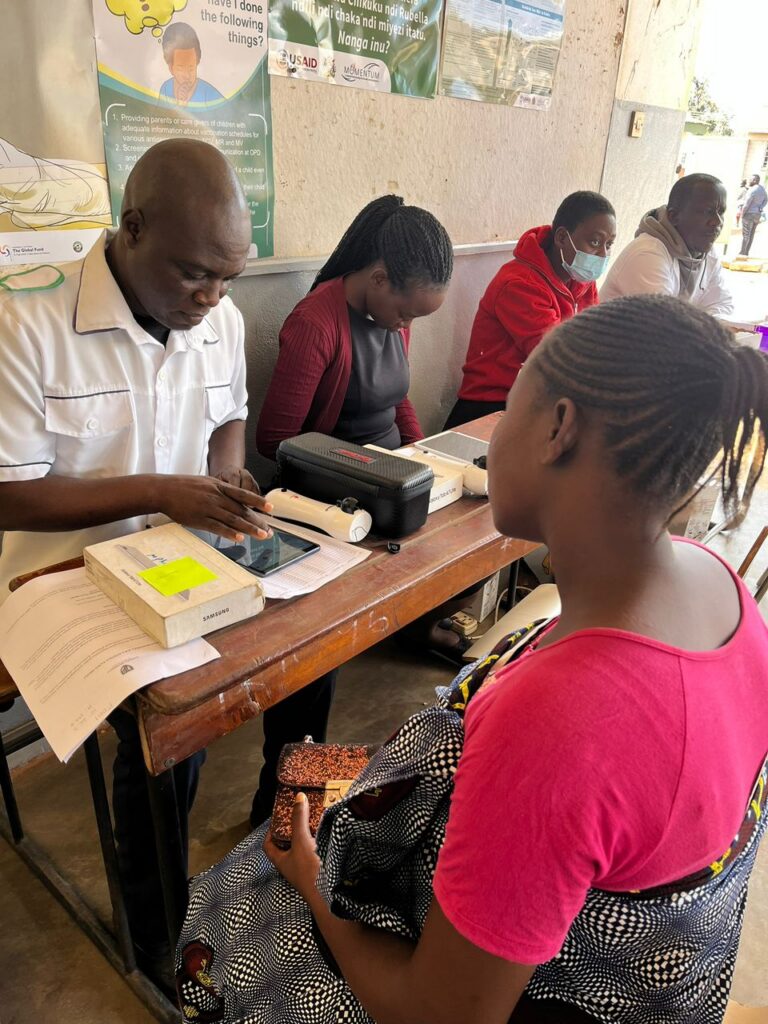
Developed by Ezerx India, EzeCheck is a portable, non-invasive, point-of-care device designed to screen for anemia and other hemoglobin-related conditions without the need for drawing blood. Using optical sensors and advanced algorithms, EzeCheck measures hemoglobin levels through a simple scan of the fingernail bed or skin, providing immediate, reliable results in just a few seconds.
Unlike conventional diagnostic methods that require needles, blood samples, and laboratory processing, EzeCheck eliminates the discomfort, logistical hurdles, and delays that can prevent timely diagnosis — especially in remote or under-resourced communities.
How Does It Work?
EzeCheck operates using spectrophotometry and light-based sensors. When placed on a patient’s finger, the device emits safe, low-intensity light that interacts with blood vessels beneath the nail bed. It analyzes the light absorption patterns to estimate hemoglobin levels accurately.
The process is completely painless, requires no consumables like test strips or syringes, and produces results instantly on the device’s digital display. This means health workers can screen more people, faster, with minimal training.
Tackling Anemia: Why This Matters
Anemia remains one of the most widespread health challenges in Malawi, particularly among children under five, pregnant women, and adolescent girls. It contributes significantly to poor growth, learning difficulties, and increased risk of infections. Yet, early detection remains a challenge due to limited access to laboratory services and the need for invasive blood tests, which can deter screening and overburden health workers.
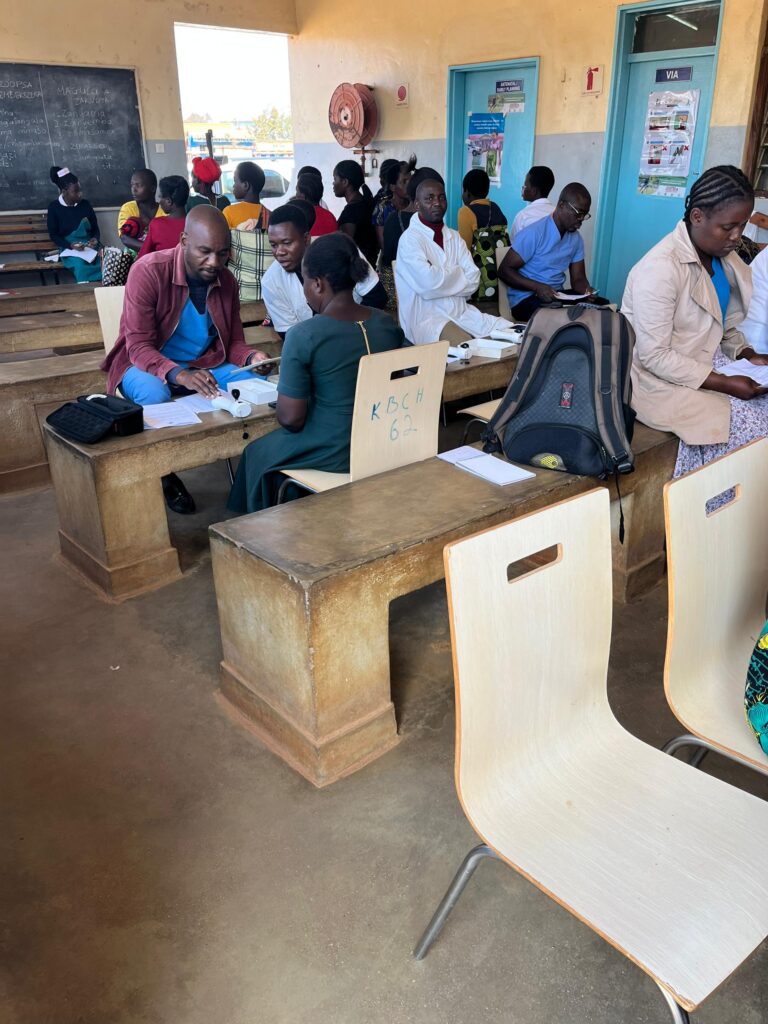
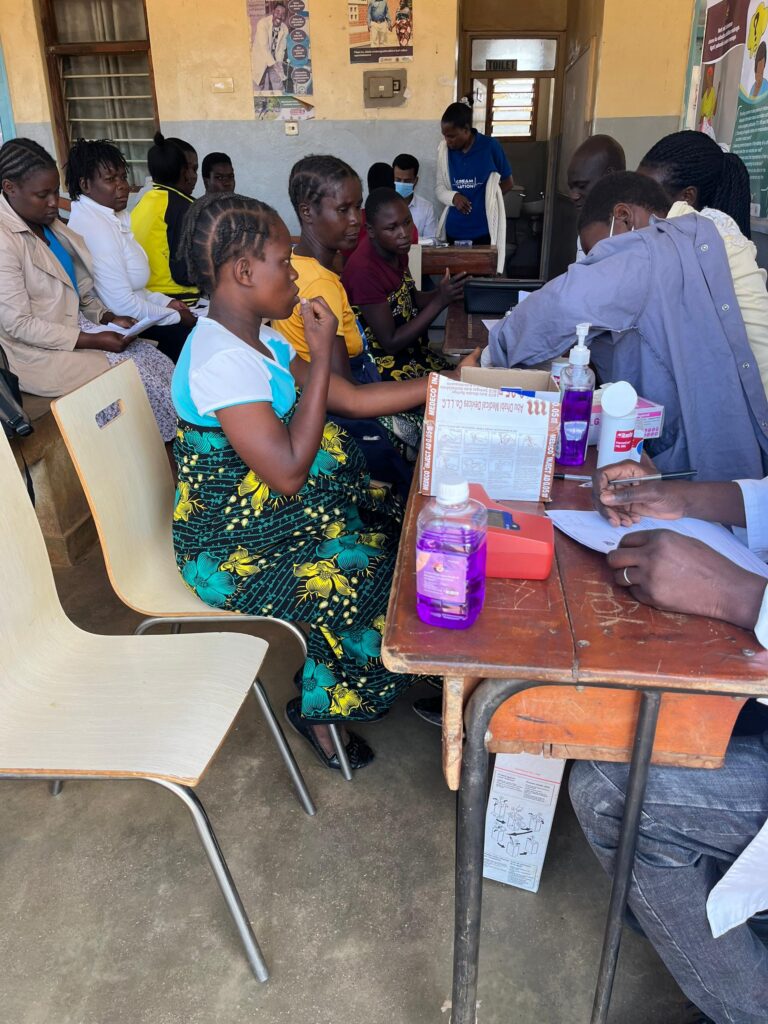
With EzeCheck, screening can be done quickly during routine outreach or clinic visits — even outside traditional health facilities. This has the potential to dramatically increase early detection rates, enabling timely treatment, nutritional counseling, and follow-up.
User-Friendly, Community-Friendly
One of the greatest advantages of EzeCheck is its simplicity and adaptability for community health workers. Unlike traditional hemoglobin tests that require trained laboratory personnel, needles, blood handling, and cold-chain logistics, EzeCheck is battery-operated, lightweight, and easy to carry into rural or hard-to-reach communities.
The device’s ease of use empowers health workers to integrate anemia screening into existing services such as immunization clinics, antenatal care visits, and community outreach programs — reaching more people who might otherwise go undiagnosed.
A Collaborative Vision for Scalable Impact
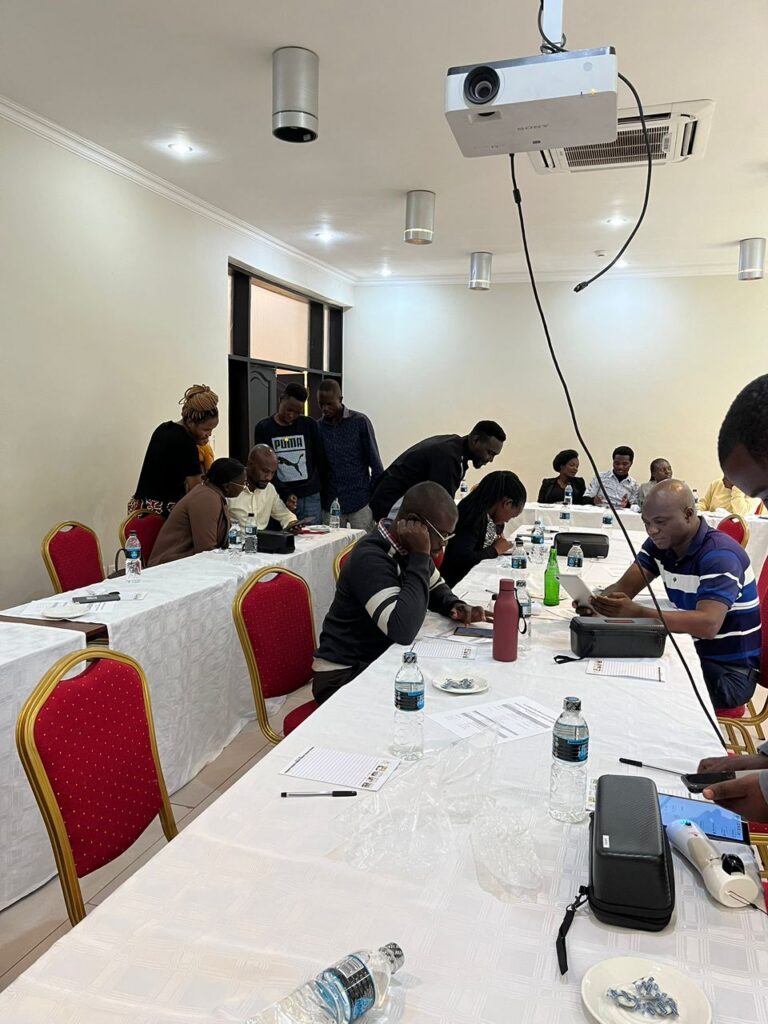
By piloting EzeCheck in Lilongwe, CIPHER, UNICEF, and Ezerx India are not only testing the technology’s effectiveness but also gathering critical data on its usability, acceptance by health workers and patients, and its fit within Malawi’s health system. Insights from this pilot will inform whether and how EzeCheck can be scaled up to other districts and integrated into national health strategies.
The collaboration reflects a shared commitment to harnessing innovation to close diagnostic gaps, strengthen health systems, and ensure that no community is left behind.
What’s Next?
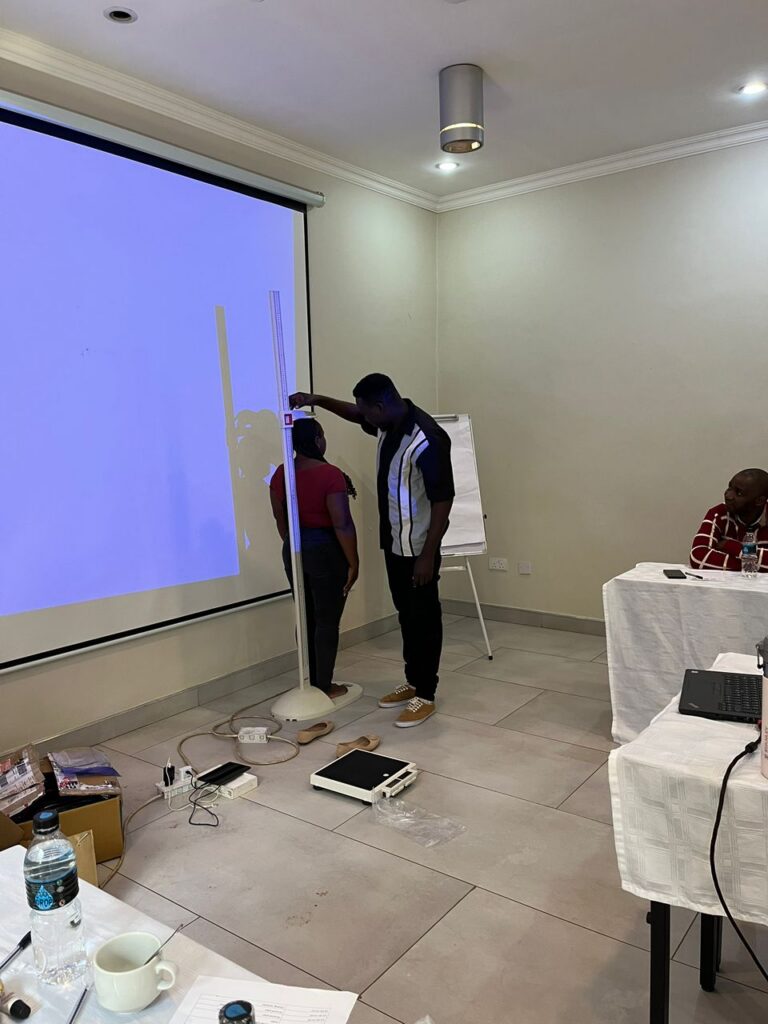
As the pilot phase progresses, the partners will work closely with the Ministry of Health, facility managers, and community stakeholders to refine implementation, train health staff, and monitor outcomes. The goal is clear: to build an evidence base that supports smarter, faster, and more equitable approaches to tackling anemia and improving overall child and maternal health.