
Cold Chain Equipment Optimization Platform: Transforming Vaccine Delivery in Rural Malawi
Revolutionizing Immunization Services for Every Child
In Malawi, ensuring that every child receives life-saving vaccines has long been a national health priority — yet persistent challenges have threatened progress for decades. With more than 80% of Malawi’s population living in rural and hard-to-reach areas, the country’s fragile health infrastructure and unreliable energy supply have historically made it difficult to maintain the robust cold chain system that vaccines require to remain effective.
In response to these challenges, the Cold Chain Equipment Optimization Platform (CCEOP) was launched in 2018, led by UNICEF in collaboration with the Gavi Vaccine Alliance and the Malawi Ministry of Health EPI and CIPHER. This ambitious initiative set out to modernize Malawi’s vaccine storage and distribution system — and its impact is already transforming the way vaccines reach the country’s most remote communities.
A Critical Need: Bridging the Immunization Gap
Before the launch of the CCEOP, Malawi’s immunization system faced significant bottlenecks. Nearly 41% of surveyed health facilities lacked functioning cold chain equipment, putting thousands of children at risk of missing out on vital immunizations. Frequent stockouts of critical vaccines like Pentavalent and Measles-Rubella (MR) undermined public confidence and left communities vulnerable to preventable disease outbreaks.
Only about 29% of facilities used solar-powered solutions, leaving the majority reliant on an unreliable national electricity grid or outdated manual cooling methods — both of which put vaccine potency at risk.
As a result, immunization coverage lagged behind global targets: in 2017, Pentavalent vaccine coverage stagnated at just 80.8%, while MR coverage remained at 75.5%, far from the WHO’s 95% goal.
Innovating for Impact: The CCEOP Strategy
1️. Infrastructure Transformation
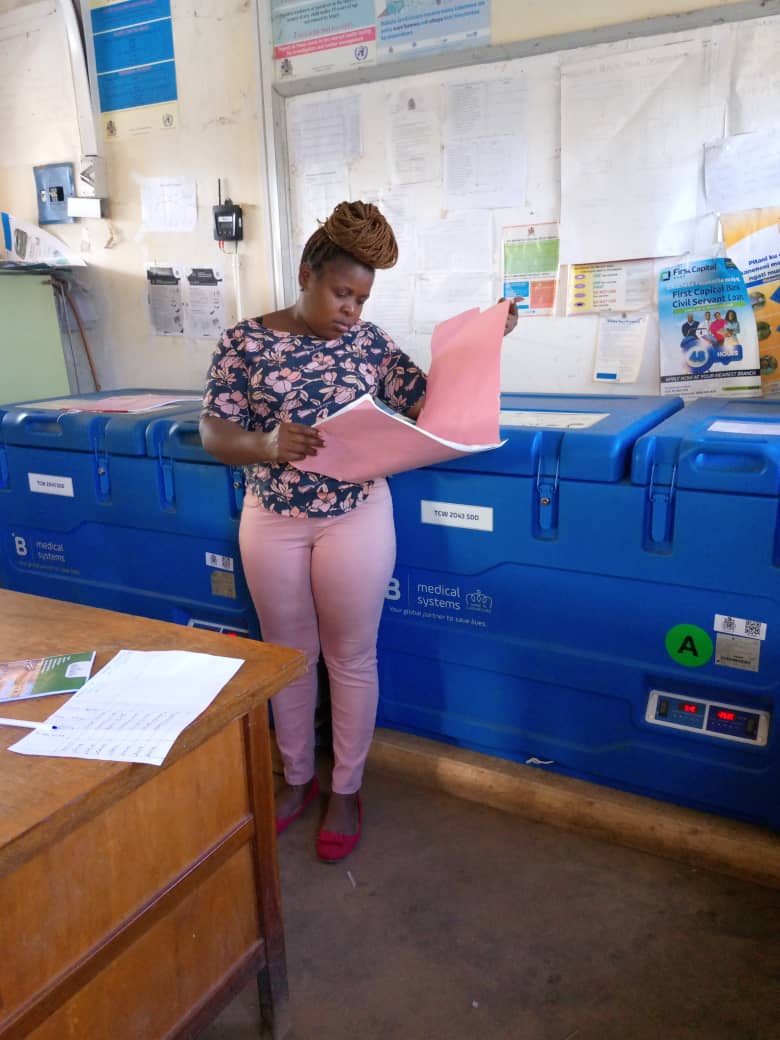
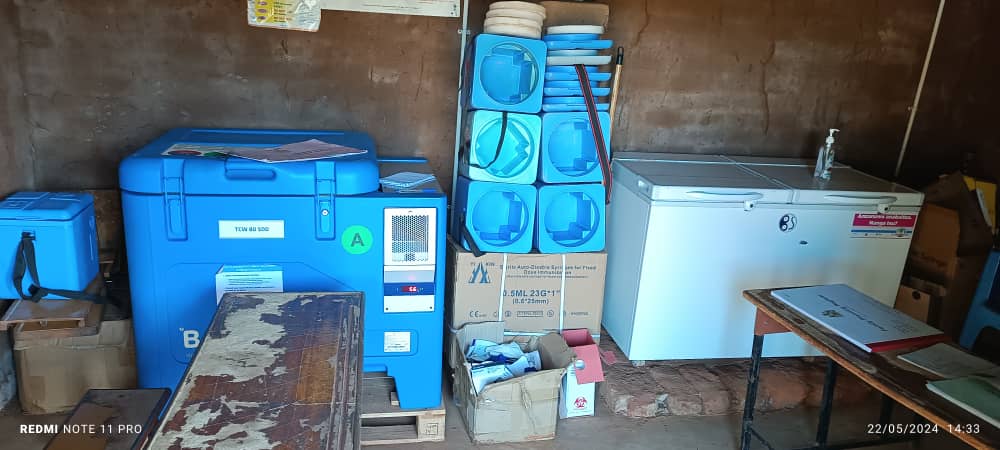
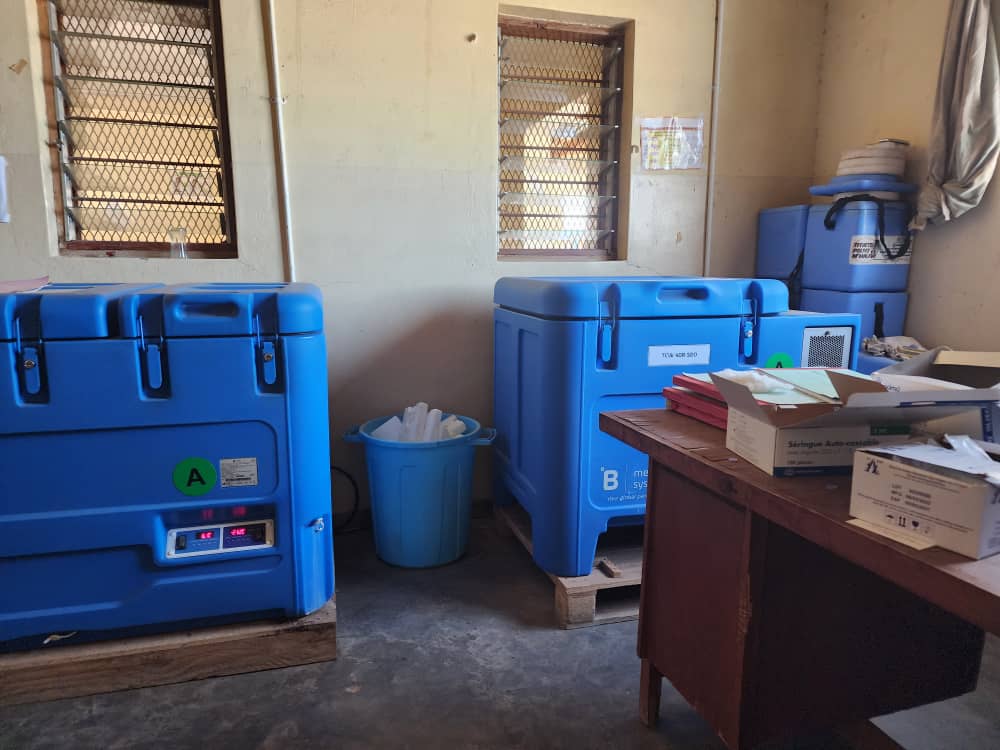
To close these gaps, the CCEOP introduced modern, solar-powered refrigerators to health facilities across Malawi. By 2023, 71% of facilities were equipped with solar units, dramatically reducing reliance on unstable power grids.
Cold chain storage capacity increased from an average of 82 liters in 2017 to 144 liters by 2023 — with newer installations providing up to 289 liters of secure storage. This boost enabled clinics to store larger vaccine volumes, serve more people, and reach communities that previously faced barriers to immunization services.
2️. Real-Time Monitoring: Smarter, Safer Storage
The program also deployed Real-Time Monitoring Devices (RTMDs), which continuously track vaccine storage temperatures and alert health workers to potential breaches. This innovation has ensured that 85% of equipped facilities can reliably monitor and respond to temperature fluctuations, safeguarding vaccine quality.
3️. Reaching the Unreachable
Better infrastructure meant better outreach. Facilities upgraded under the CCEOP expanded their immunization session sites from an average of 4.3 in 2017 to 7.5 by 2023. This wider reach reduced the distance families needed to travel to get their children vaccinated — boosting uptake and protecting more children in underserved areas.
Tangible Results: The Numbers Speak
The CCEOP’s impact has been transformative:
✔ Improved Coverage: Pentavalent coverage increased from 80.8% to 91.4%, while MR coverage rose from 75.5% to 88% by 2023.
✔ Fewer Stockouts: The number of facilities reporting no vaccine stockouts rose by 7% for key vaccines.
✔ Higher Cold Chain Compliance: Solar-powered storage and RTMDs helped achieve a 98% compliance rate with temperature standards — a major step in safeguarding vaccine efficacy.
Beyond Technology: Communities at the Heart
The success of CCEOP was not just about equipment — it was about people. Community leaders worked with health workers to raise awareness about vaccine schedules and the importance of immunization, addressing myths and hesitancy.
Training programs empowered over 30 health workers to improve their vaccine storage and delivery practices, strengthening the system’s sustainability well beyond the project’s lifespan.
Challenges and Lessons Learned
While the CCEOP has delivered impressive progress, it has also highlighted areas for continued improvement:
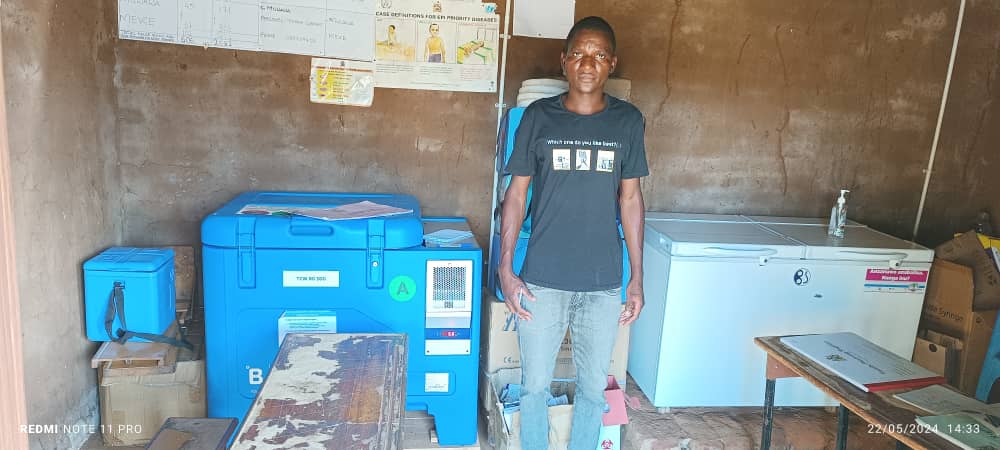
- Facility Space Constraints: Some rural clinics lacked space to safely house new refrigerators, requiring temporary external storage that sometimes posed security or weather-related risks.
- Fuel and Maintenance Gaps: Despite solar power, remote facilities still needed fuel for backup generators and mobile health units — shortages sometimes disrupted services.
- Connectivity Issues: RTMDs faced functionality gaps in areas with weak internet and inconsistent power, emphasizing the need for robust technical support and regular upgrades.
- Training Needs: High staff turnover in rural districts created gaps in technical skills for maintaining equipment and monitoring devices, underscoring the importance of ongoing refresher training.
A Roadmap for the Future
To build on the success of the CCEOP and tackle remaining gaps, Malawi’s Ministry of Health and its partners are looking ahead with clear priorities:
✅ Expand Solar Coverage: Bring solar-powered cold chain solutions to 100% of health facilities, ensuring reliable energy for every clinic.
✅ Strengthen Health Worker Capacity: Introduce regular refresher training to maintain high standards, even in areas with frequent staff changes.
✅ Upgrade Infrastructure: Renovate or expand facility storage spaces to safely house new equipment, eliminating dependence on makeshift external storage.
✅ Enhance Monitoring: Improve RTMD connectivity and response systems, with dedicated technical teams ready to address issues quickly.
✅ Secure Sustainable Funding: Establish long-term financing for equipment maintenance, fuel, and training — supported by global health partners and local stakeholders alike.
A Stronger, Resilient Immunization System
The Cold Chain Equipment Optimization Platform has shown what is possible when innovation, partnership, and community engagement come together for a common goal: protecting every child, everywhere, from preventable diseases.
Through solar-powered solutions, smart monitoring, and community-driven outreach, Malawi is building a stronger, more resilient immunization system — ensuring that no child is left behind.