
CIPHER Responds to Cyclone Freddy: A Coordinated Emergency Medical and Humanitarian Effort in Malawi
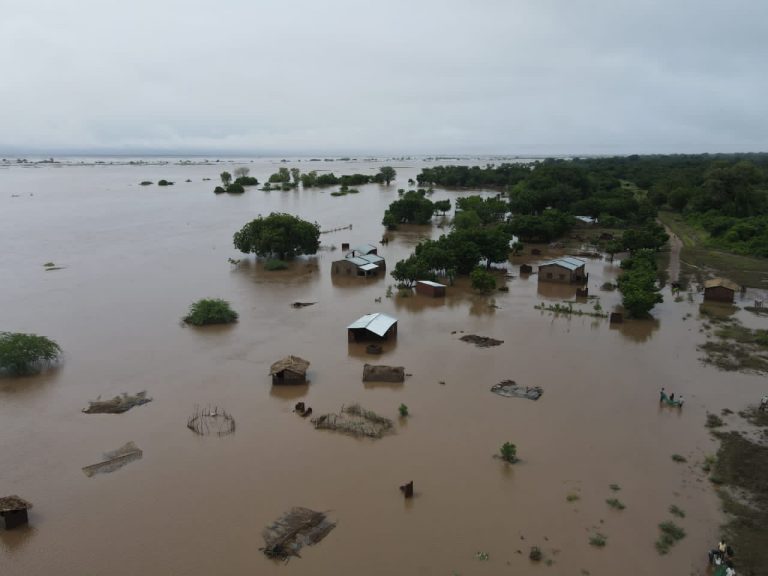
In March 2023, Malawi was hit by Cyclone Freddy, one of the most powerful and long-lasting tropical storms ever recorded in the Southern Hemisphere. The cyclone caused catastrophic flooding, landslides, and infrastructure damage across southern Malawi, particularly affecting districts such as Phalombe, Mulanje, Nsanje, Chikwawa, Blantyre, and Chiradzulu. In response to the unprecedented humanitarian crisis, CIPHER, deployed a multidisciplinary team of doctors, nurses, clinicians, and public health specialists to support emergency relief operations.
CIPHER’s deployment was part of a broader multi-sectoral emergency response coordinated by the Government of Malawi through the Ministry of Health and the Department of Disaster Management Affairs (DoDMA), in partnership with the Ministry of Defense, WHO, UNICEF, and other humanitarian agencies. The team was tasked with providing emergency medical care, conducting health assessments, facilitating rescue operations, and supporting disease prevention efforts in flood-affected communities.
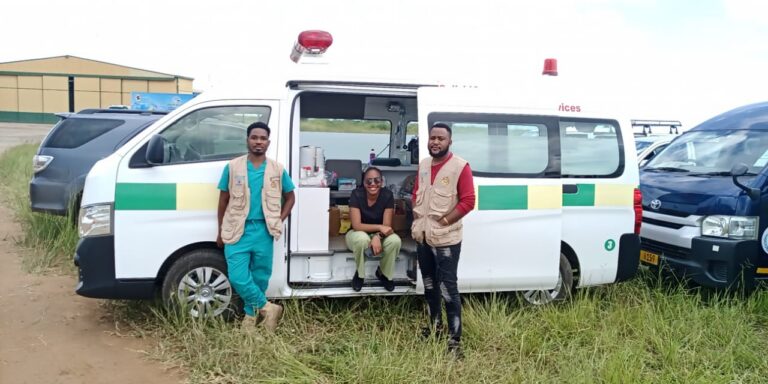
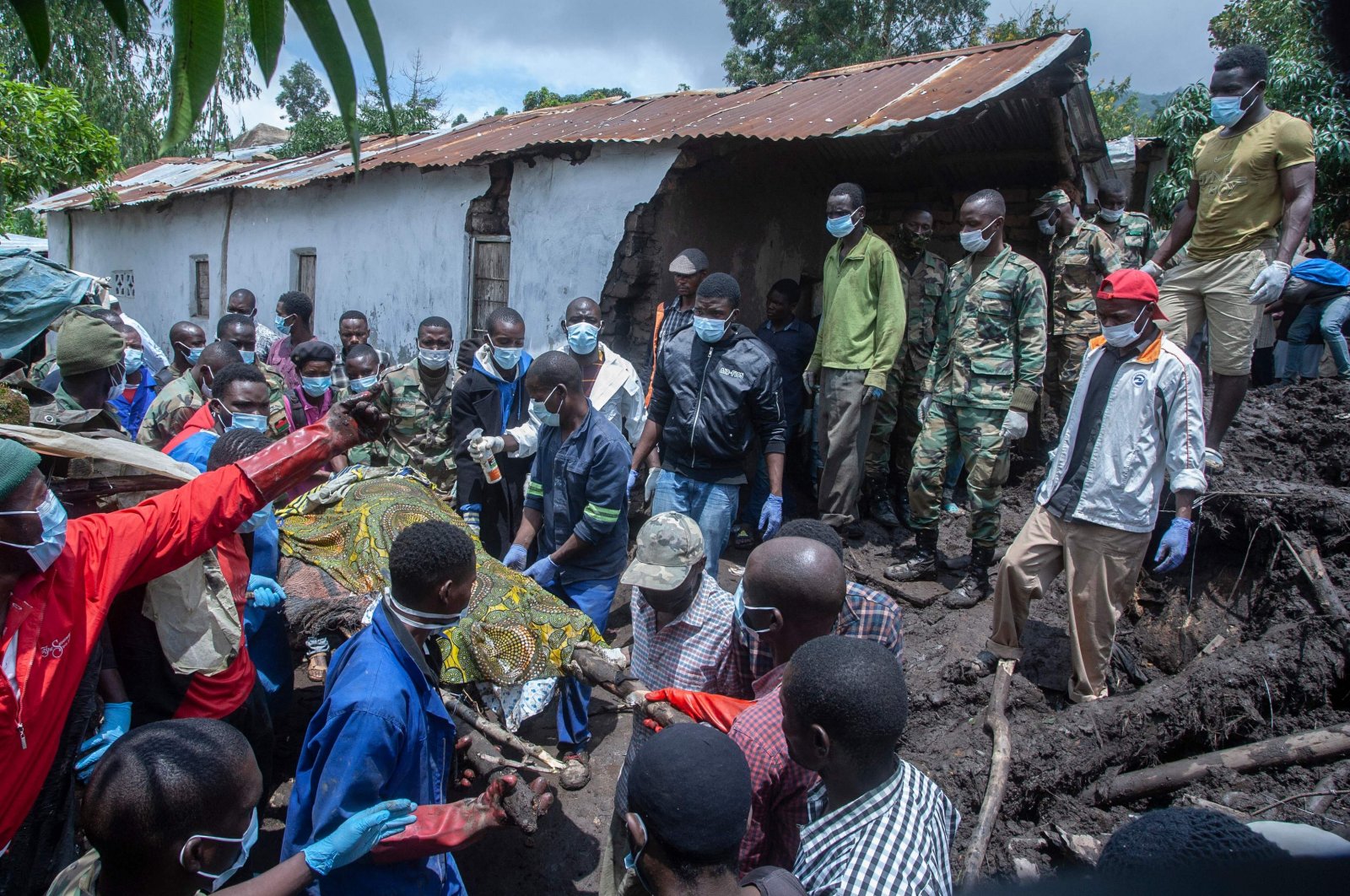
In collaboration with the Malawi Defense Force, CIPHER teams were airlifted to remote and cut-off areas where road access was impossible due to floodwaters and destroyed infrastructure. Working alongside military personnel, they helped rescue stranded individuals, transport patients to safer areas, and provide emergency medical services to displaced populations in makeshift camps and evacuation centers. Mobile medical units were established in severely affected areas such as Phalombe and Nsanje, where CIPHER clinicians treated hundreds of patients suffering from injuries, acute respiratory infections, diarrheal diseases, and malaria.
Given the increased risk of waterborne disease outbreaks in the aftermath of the cyclone, CIPHER also supported cholera prevention efforts by distributing oral rehydration solutions, antibiotics, and hygiene kits, and by training local health workers on infection prevention and control (IPC). Working with UNICEF and WHO, the team conducted rapid health assessments, monitored disease trends, and contributed to the re-establishment of essential health services that had been disrupted by the disaster.
Moreover, CIPHER’s response went beyond clinical care. The team also provided psychosocial support to survivors, particularly children and women who experienced trauma due to the destruction of their homes and loss of family members. Health education and community sensitization campaigns were also conducted to promote hygiene, sanitation, and disease prevention in overcrowded displacement camps.
The success of this response effort was made possible through strong coordination with government structures and international partners. CIPHER’s ability to deploy skilled personnel rapidly, supported by a network of trained emergency responders, exemplified the growing role of academic and public health institutions in disaster preparedness and response in Malawi.
As the country continues to recover and rebuild from the impacts of Cyclone Freddy, the contributions of CIPHER and its partners underscore the importance of investing in health emergency preparedness, response capacity, and inter-sectoral collaboration. Their work saved lives, restored dignity, and reinforced the resilience of affected communities in the face of one of the country’s most devastating natural disasters.