Leveraging Geographic Information Systems to Optimize Polio Outbreak Vaccination Strategies in Malawi: A Case of Cross-Border Monitoring in Polio SIA Campaign Round 6
Introduction
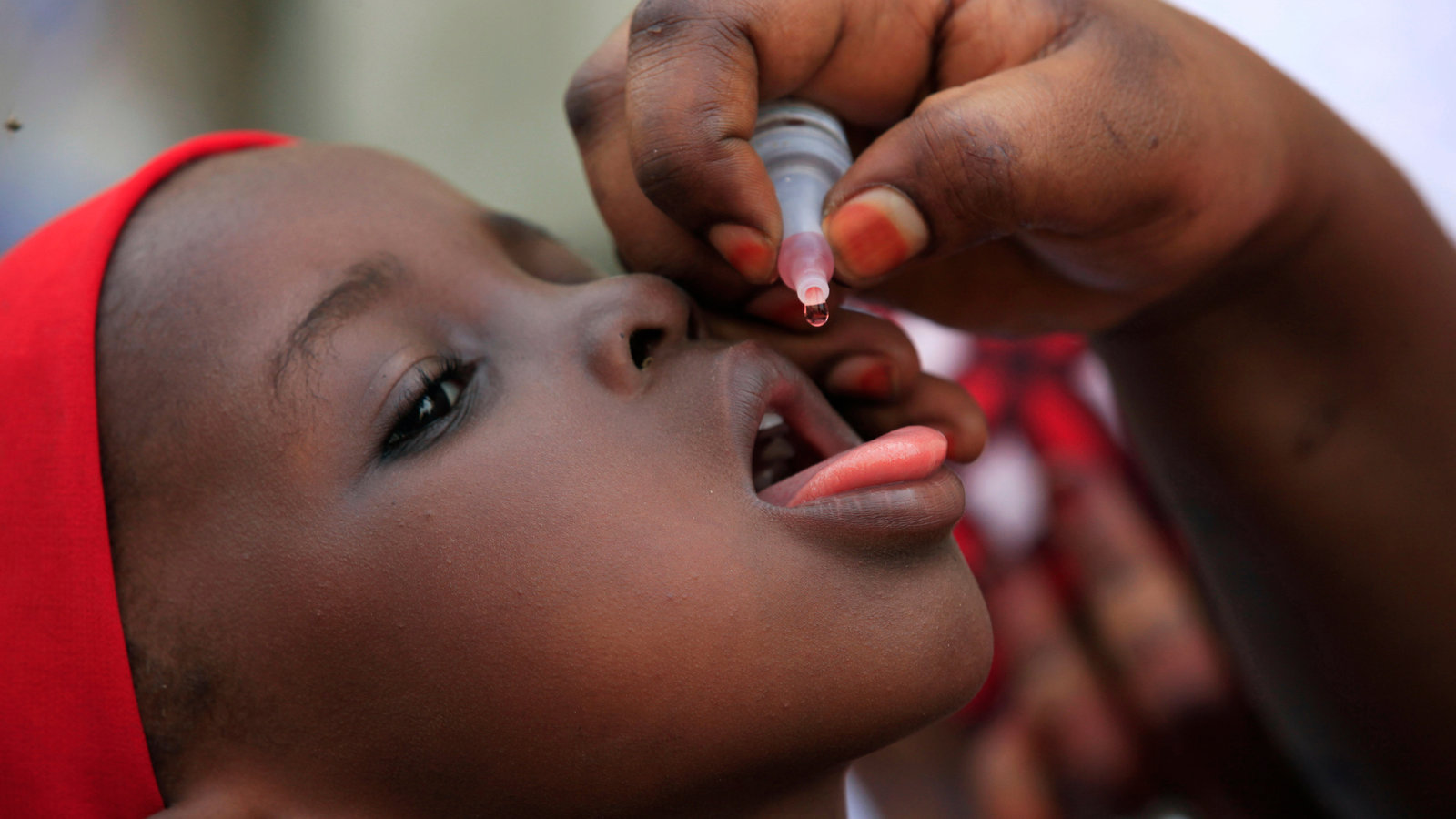
In 2022, Malawi detected a case of wild poliovirus type 1 (WPV1), prompting a swift response through nationwide Supplementary Immunization Activities (SIAs). Despite high vaccination coverage in under-15 children, border communities remained at high risk due to population mobility, porous borders, and limited healthcare access. Traditional vaccination strategies struggled to reach these mobile and hard-to-access populations, necessitating an innovative approach.
In collaboration with the Ministry of Health (MoH) Expanded Programme on Immunization (EPI), CIPHER, World Health Organization (WHO), UNICEF, Gavi, the Vaccine Alliance, and the Global Polio Eradication Initiative (GPEI), Malawi introduced Geographic Information Systems (GIS) in Polio SIA Round 6 (2023). This initiative aimed to enhance microplanning, real-time decision-making, and cross-border surveillance to ensure no child was left behind.
The Challenge: Reaching Mobile and Border Communities
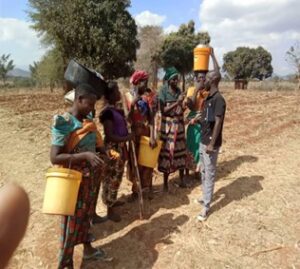
Malawi shares borders with Mozambique, Zambia, and Tanzania, where frequent cross-border trade and migration increase polio transmission risks. Key challenges included:
- Population mobility – Children in transit were often missed during campaigns.
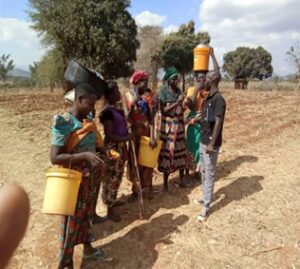
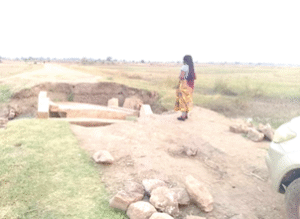
- Hard-to-reach areas – Remote villages and informal border crossings lacked vaccination posts.
- Vaccine hesitancy – Misinformation and religious beliefs led to refusals.
- Without precise tracking and adaptive strategies, these gaps threatened outbreak containment.
The Intervention: GIS and Cross-Border Monitoring
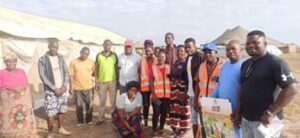
To address these challenges, 38 trained monitors from KUHeS were deployed across 19 high-risk border districts, including:
- Southern Region: Mwanza, Neno, Chikwawa, Nsanje
- Eastern Region: Machinga, Mangochi, Zomba, Phalombe, Mulanje, Thyolo
- Central Region: Dedza, Ntcheu, Mchinji, Kasungu, Lilongwe
- Northern Region: Karonga, Mzimba North, Rumphi, Chitipa
Key Activities:
✔ Mapping high-risk zones – Monitors used GPS and satellite imagery to identify 1,792 villages, 132 health facilities, and 353 crossing points.
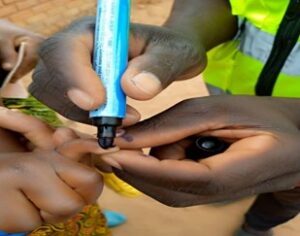
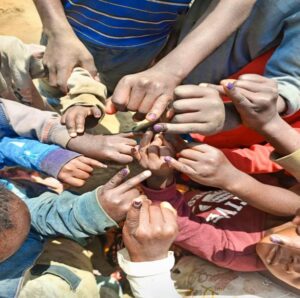
✔ Real-time monitoring – Teams tracked missed children and alerted district/national coordinators for immediate action.
✔ Dynamic vaccination post deployment – New posts were established at high-traffic border points to reach mobile populations.
✔ Community engagement – Monitors addressed vaccine refusals through dialogue with parents and leaders.
Results: Breaking Transmission Chains
The GIS-enabled approach led to significant improvements:
✅ Enhanced coverage – Real-time data allowed rapid redeployment of teams to under-vaccinated areas.
✅ Reduced refusals – Community engagement reversed hesitancy, improving acceptance.
✅ Outbreak containment – In May 2024, the Polio Outbreak Response Assessment (OBRA) confirmed no active WPV1 transmission in Malawi and Mozambique, marking the official end of the outbreak.
Lessons and Future Implications
This initiative demonstrated that:
🔹 GIS technology is transformative – It provides high-resolution visibility of high-risk zones, enabling precision microplanning.
🔹 Local monitors are critical – They bridge the gap between communities and decision-makers, ensuring real-time adjustments.
🔹 Cross-border coordination works – Collaboration with neighboring countries strengthens outbreak response.
Recommendations for Future Campaigns:
- Scale GIS integration for routine immunization and other disease outbreaks.
- Strengthen cross-border partnerships with Mozambique, Zambia, and Tanzania.
- Invest in local capacity – Train more community health workers in geospatial tools.
Malawi’s success in interrupting polio transmission underscores the power of geospatial technology and community-driven surveillance. By leveraging GIS, cross-border monitoring, and strong partnerships, the country has set a precedent for equitable immunization coverage in high-mobility settings.
This model holds global relevance, particularly for border regions struggling with healthcare access. As Malawi celebrates this milestone, the lessons learned will continue to inform future outbreak responses and polio eradication efforts worldwide.
Acknowledgements: The authors extend gratitude to the Ministry of Health Malawi, WHO, UNICEF, Gavi, GPEI, and all partners for their unwavering support in this life-saving initiative.